/123/1/logo.png)
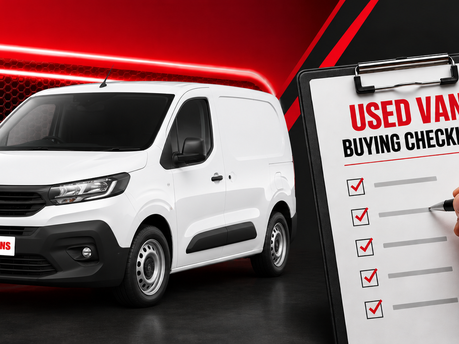
Buying a Used Van in the UK: Your Complete Guide to Getting It Right
Your Complete Used Van Buying Guide
You want to buy a van for your business, but you don’t know where to start. With so many brands and dealers, it can be hard to find the right commercial vehicle for your business and budget. In Q1 2025, there has been a 25% increase in van buyer activity on Autotrader. What saw the biggest increase was the demand for used vans aged 5-10, which rose to 12%.
As we enter the second half of 2026, demand for vans continues to grow, and this guide will walk you through what to look for when buying a used van, so you can get a reliable one that is worth your money.
Key Takeaways
- Always factor in the true cost of ownership, not just the purchase price
- A full service history and HPI check are non-negotiable
- Inspecting the van in person (or having a mechanic do it) can save you thousands
- Clocked mileage, outstanding finance, and write-off history are the three things that catch most buyers out
- Leasing is worth considering if you want to avoid the risks of used van ownership altogether
Be Honest About Your Budget
Before starting to browse for a used van in your local area, try to work out your budget. We don’t mean just how much you’re willing to spend, but how much you’re willing to pay for maintenance, parking and emissions fees if you often drive in ULEZ areas.
What to factor in beyond the purchase price:
- Insurance (commercial vehicle insurance for a used van can vary significantly by age, use, and mileage)
- Road tax (based on CO2 emissions)
- MOT and servicing (older vans may need more frequent attention)
- Tyres (a full set on a mid-size van can cost £400 or more)
- Potential repairs (particularly if the van has high mileage or no service history)
- Fuel costs based on your expected annual mileage
As a rough rule: the older the van and the higher the mileage, the more you should budget for maintenance. A well-kept three-year-old van with a full service history will almost always be a better long-term investment than a cheap older model with gaps in its records.
Where to Buy a Used Van
There are three main routes to buying a used van in the UK, each with its own advantages and risks.
Franchised or specialist van dealers
Buying from a reputable dealer tends to be the safest option. Here at Loads of Vans, our vehicles are inspected before sale and come with a warranty, which means you have stronger rights if something goes wrong. A specialist van dealer will also have staff who understand commercial vehicles and can give you honest advice on which model suits your needs. This option is the best suited if you’re new to the world of van ownership.
Private sellers
Private sales can offer lower prices, but you're buying with fewer protections. There's no warranty, no comeback if a fault is discovered shortly after purchase, and you're relying entirely on the seller's honesty. If you do buy privately, always inspect the vehicle in person, run a full history check, and never pay without seeing the V5C logbook.
Auctions
Auction houses can be a source of good value, but they're best suited to buyers who really know what they're looking at. You'll often have little time to inspect a vehicle properly, returns are rarely accepted, and the pace of bidding can push you beyond what you intended to spend. Unless you have solid mechanical knowledge or can bring someone who does, auctions are higher risk than the other two options.
What to Check Before You Buy: The Inspection Checklist
This is where you want to pay attention. Regardless of where you buy your van, you want to run some in-person checks.
Bodywork and exterior
- Check that panel gaps are even all the way around. Misaligned doors can indicate accident damage
- Look for rust around the wheel arches, sills, and underneath the rear doors
- Check all doors, including the load area doors, open and close cleanly
- Keep an ear out for creaking sounds when you push down on any rust, as this could mean greater problems beneath the surface.
Load area
- Look for damage to the floor and walls. Many van owners add racks and linings but remove them before selling, which can leave holes or cause damage.
- Check the condition of any lining, ply boarding, or racking if fitted
- Make sure the rear doors seal properly and don't let in light
Tyres
- Make sure the right tyres are fitted for the type of van. Some vehicles require commercial tyres, so it’s important to ensure the tyres fitted match the van type.
- Check tread depth across the full width of each tyre, in the UK it must be more than 1.6 mm. (uneven wear can indicate tracking or suspension issues)
- Look at the age markings on the sidewall (tyres over six years old should be replaced regardless of tread)
- Check the spare if there is one
Engine bay
- Look for oil leaks around the engine and on the ground beneath where the van is parked
- Check coolant and oil levels. Low levels without explanation are a warning sign
- Look for any signs of recent repair work, replaced parts, or improvised fixes
- Start the engine from cold if possible. Any smoke, rattles, or rough running needs investigating
Underneath the vehicle
- Look for damage to the exhaust system, suspension components, and any signs of welding to the chassis
- Check for oil leaks from the gearbox and differential
Cab interior
- All switches, controls, and instruments should work. Test the air conditioning, heater, and all electrical features
- Check the seats and seatbelts for condition
- Look at pedal wear relative to the claimed mileage. Very worn pedals on a low-mileage van are a red flag
History Checks: The Complete Checklist
Never buy a used van without running a history check. A full check will confirm:
- Whether the van has outstanding finance registered against it (if it does, the lender can reclaim the vehicle even if you've paid for it)
- Whether it's been written off (Category A, B, S, or N). A Category S or N van can be repaired and legally sold, but insurers deem it uneconomical to fix.
- Whether the mileage is consistent with its recorded history
- Whether it's been reported stolen
- Whether the V5C (logbook) details match what you're being told
The V5C is a critical document. Check that the vehicle identification number (VIN) on the logbook matches the plate on the van and the number stamped on the chassis. If they don't match, walk away.
Carrying out these checks before buying will save you money and headaches in the long run. No matter how much you trust the dealer or private seller selling you the vehicle, checking the vehicle's history and components is good practice.
Don’t Skip the Test Drive
It can be tempting to skip the test drive when you’re convinced the van in front of you is the right one. However, a test drive is just as important as the checks listed above, as driving the van can provide additional indicators of whether its condition is as it seems.
A few tips for when you test drive:
- Drive at various speeds, including a short motorway run if possible
- Listen for any clunks, rattles, or vibrations that change with speed
- Brake firmly in a safe place. The van should pull up straight without pulling to one side
- Check that the gearbox (if manual) changes smoothly through all gears without crunching or resistance
- Test the steering at low speed. It should feel precise and return to the centre naturally
- Let the van reach full operating temperature and check for any warning lights
If the seller is reluctant to let you test-drive it or puts limits on where you can go, that's worth noting.
A Word on Leasing
If reading all of the above has made buying a used van feel like hard work, it's worth noting that leasing is a viable alternative many businesses are choosing for exactly that reason.
With a lease, you agree to a fixed monthly payment for an agreed term and mileage, then hand the van back at the end of the term. There's no large upfront payment, the van is always under warranty, and you're not exposed to depreciation or unexpected repair costs.
For businesses that need a reliable, well-equipped van and want to keep cash working in the business, leasing can make a lot of sense. It's not right for everyone, but it's worth comparing the numbers before you commit to a used purchase.
At Loads of Vans, we offer both used van sales and van leasing, so we can help you determine which option makes the most financial sense for your situation.
Ready to Find Your Next Van?
Whether you're ready to buy a used van or want to explore leasing options, our team at Loads of Vans in Sutton is here to help. We’re the most successful van dealership in the M25 area, with over 80% of our business coming from existing customers and recommendations. We stock a wide range of used commercial vehicles that have been thoroughly checked before going on sale, and we'll give you honest advice without the hard sell.
Come in and see us, or browse our current stock online.
Frequently Asked Questions
How do I check a van's history before buying? Run an HPI check or use a similar history check service. You'll need the van's registration number. The check will flag outstanding finance, write-off history, stolen vehicle records, and mileage discrepancies.
What documents should I get when buying a used van? You should receive the V5C logbook, a valid MOT certificate, a service history (ideally with stamps from a main dealer or reputable garage), and a receipt or invoice from the seller.
Is it better to buy a used van privately or from a dealer? A dealer generally offers more protection. You have stronger rights, there's usually some form of warranty, and the vehicle should have been inspected. Private sales can be cheaper, but the onus is on you to check everything carefully.
What mileage is too high for a used van? A well-maintained diesel van can comfortably reach 200,000 miles. High mileage is not automatically a problem if it's supported by a full service history. Low mileage with no service records is often a bigger concern.
Can I lease a van instead of buying a used one? Yes. Van leasing (business contract hire) is a popular alternative to buying. You pay a fixed monthly amount for a set period, then return the van. There's no high upfront cost, and the van stays under manufacturer warranty throughout the term. Loads of Vans offers leasing alongside used van sales.